


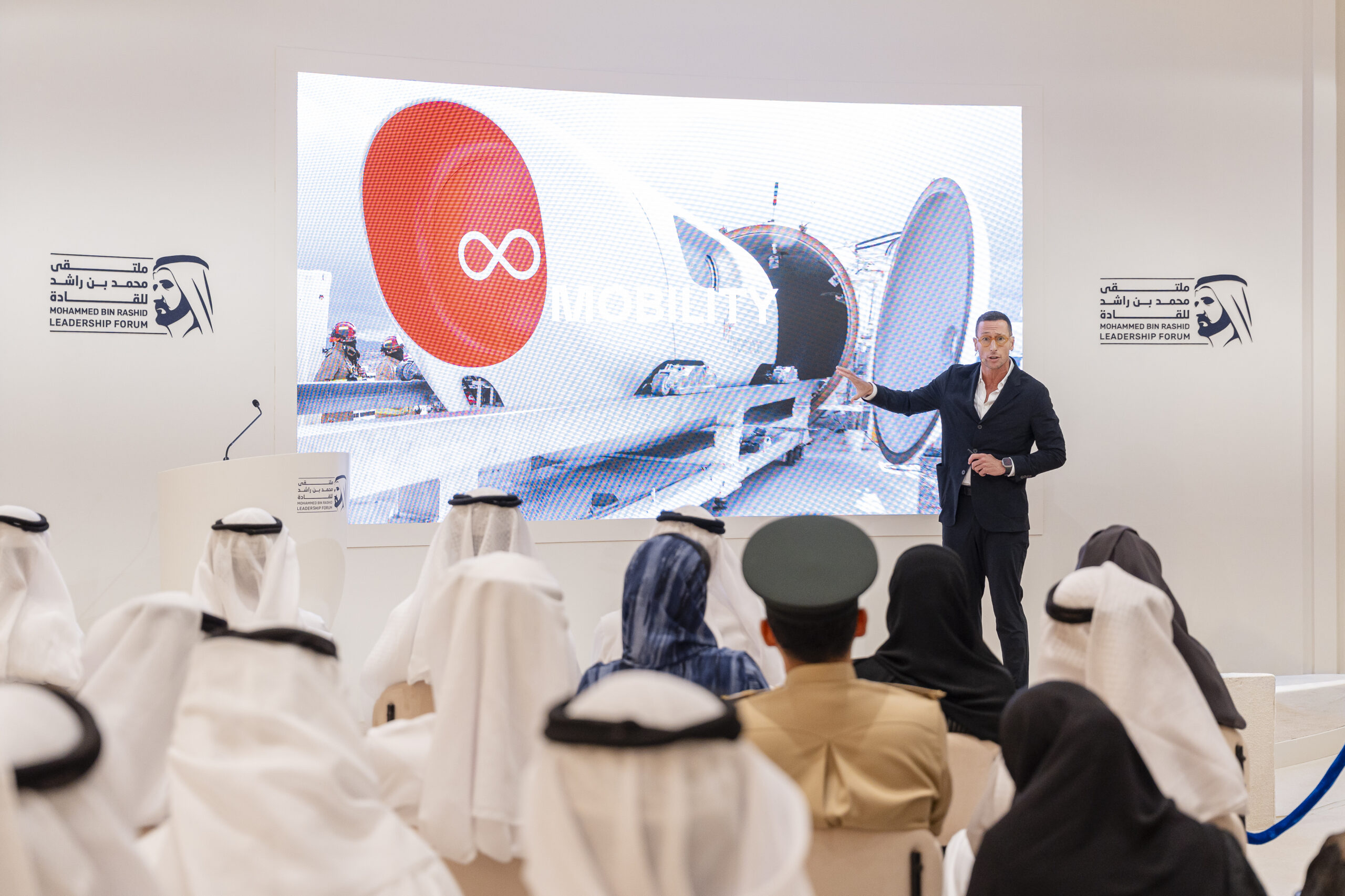
DUBAI, 13th October, 2026 (WAM) — The ‘Future Cities Leadership’ Majlis, held as part of the Mohammed bin Rashid Leadership Forum, explored ways to balance rapid urban growth with the adaptability of cities, while maintaining quality of life and efficiency of services and infrastructure.
The Majlis also reviewed Dubai’s experience in building a resilient, integrated city capable of responding to growing population and economic aspirations, while maintaining its appeal as a destination to live, work and visit.
The Majlis discussed developing modern urban models built on foresight, readiness and resilience, enabling cities to keep pace with future transformations and rapid economic growth, as well as enhance the efficiency of infrastructure and services, while maintaining quality of life, sustainability and the added value they provide to residents, visitors and businesses.
Marwan bin Ghalita, Director General of Dubai Municipality, attended the Majlis, alongside leaders, decision-makers and global experts.
Discussions addressed building future cities with a shift from traditional planning to an integrated framework that anticipates emerging needs, strengthens readiness and resilience, and invests in smart infrastructure to keep pace with growth and ensure sustainability and quality of services.
Bin Ghalita said: “Dubai’s leadership approach is guided by a long-term vision and rooted in proactive thinking to create a model the world aspires to emulate. In the vision of His Highness Sheikh Mohammed bin Rashid Al Maktoum, Vice President and Prime Minister of the UAE and Ruler of Dubai, being number one is a shared responsibility that continues to drive us to think beyond achievements and the present moment, to envision the Dubai we want for future generations: a city that leads the future, foresees before it plans, prepares before the need emerges, and builds its capabilities before challenges put them to the test.”
He added: “Readiness, for us, means building a city with the resilience, capacity and foresight to anticipate future needs. Dubai is growing at an exceptional pace, and the real challenge lies in how we stay ahead of that growth in a city that continues to set new benchmarks for itself. It is about sustaining Dubai’s achievements, pioneering infrastructure, efficiency of services, sustainability of resources, and a quality of life centred on people.”
He highlighted Dubai Municipality’s approach in adopting leading and comprehensive practices in planning, designing and managing urban development with adaptable capacity and high-quality services, while achieving sustainability. This approach transforms ideas into clear visions and then into projects, supported by partnerships and innovative solutions, creating tangible outcomes that people experience in their daily lives.
As part of the Majlis, a session titled “A dialogue on future cities leadership: How do leaders deliver impossible projects?” explored the role of leadership in turning bold ideas and ambitious visions into viable projects by defining a clear project mandate, forging effective alliances, managing challenges and safeguarding the public value of major projects.
Speaking at the session, global architecture expert João Albuquerque, Partner at architecture and design firm BIG, explored the role of leaders in approaching ambitious and complex projects to deliver meaningful, lasting impact while avoiding spectacle or unnecessary complexity. He stressed that bold ideas only realise their full value when supported by leadership capable of simplifying them, communicating them clearly, assessing their feasibility and aligning them with the needs of people and the city.
During the session, Albuquerque highlighted Dubai’s experience in translating bold ambitions into tangible outcomes, driven by a leadership model that combines vision, speed of execution and quality of experience, while turning challenges into opportunities for innovation, design and development.
He noted the importance of developing clear plans for large-scale, complex projects that define objectives and value from the outset. The value of major projects, he said, lies not only in their scale or the attention they attract, but in their ability to respond to the city’s needs and deliver tangible, lasting value.
He also explored channeling major challenges related to location, resources or climate into design opportunities to deliver innovative solutions that cater to the environment, the city and residents’ needs. He stressed the importance of building effective teams that bring together decision-makers, designers, engineers, and beneficiaries around a shared vision for the project.
Albuquerque called for a practical assessment of each project’s public value before launch, examining how effectively it meets community needs, delivers tangible impact, and creates lasting value for the city and its residents.
In a session titled “What makes a city liveable?”, Albuquerque urged re-assessing future cities. He argued that a city’s success depends on simple elements of daily life that collectively shape the quality of the urban experience, including shade, mobility, comfort, proximity, aesthetics, ease of use, opportunities for social interaction and a sense of vitality.
He called for redefining urban success by the quality of everyday life, aligning urban development ambitions with people’s needs for comfort, mobility, proximity and ease of use. He also emphasised the distinction between a city that appears futuristic and one that delivers a high quality of life.
Albuquerque stressed that a smart city makes bold ambitions tangible in everyday details, ensuring that projects and urban plans directly improve people’s lives and create an environment that offers comfort, ease of movement and ease of use.
The ‘Future Cities Leadership’ Majlis is one of several strategic leadership meetings held as part of the Mohammed bin Rashid Leadership Forum, alongside the ‘Future Economy’ Majlis and the ‘New Global Narrative’ Majlis. The discussions bring together leaders, decision-makers and experts to discuss transformations and priority issues shaping Dubai’s future, strengthen partnerships, exchange insights and explore future pathways that advance the emirate’s competitiveness and global leadership.
Mohammed bin Rashid Leadership Forum, the premier annual gathering dedicated to management and leadership, which kicked off today at the Dubai World Trade Centre, has brought together 1,000 key government and private sector leaders in Dubai, alongside a host of experts, decision makers and academics.
Source: Emirates News Agency
