


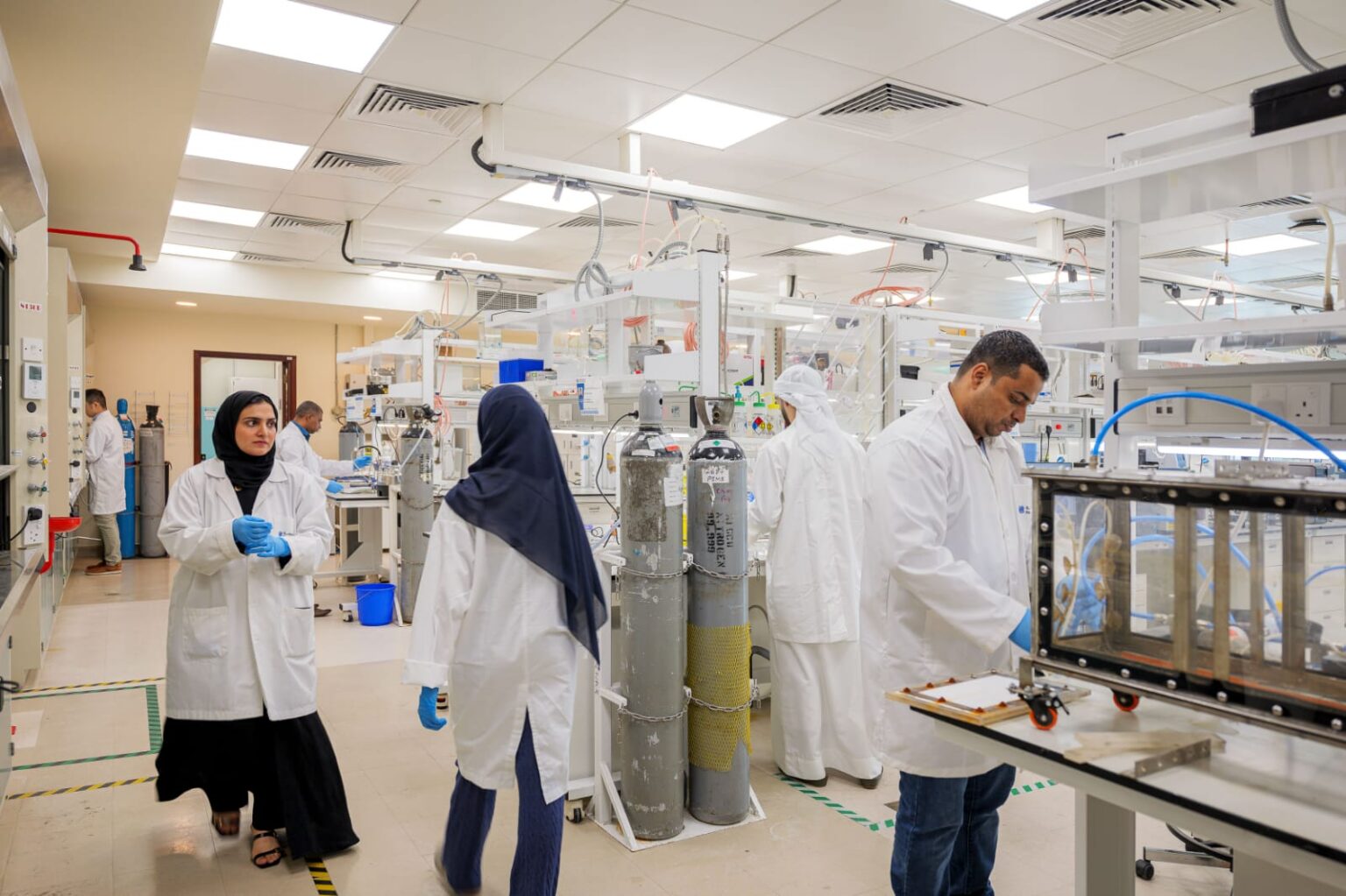
ABU DHABI, 22nd September, 2026 (WAM) — Khalifa University of Science and Technology today announced the registration of 1,398 university students forming 238 teams from 56 countries for the Khalifa University-UNESCO Global Water Hackathon 2026, bringing a new generation of innovators into a UAE-led effort to shape how water is sustained in the decades ahead.
The Hackathon forms part of Khalifa University’s broader water-focused initiatives in the lead-up to the 2026 UN Water Conference in Abu Dhabi, contributing research, innovation, international collaboration and youth engagement to the growing momentum around the global gathering. Through initiatives such as the Global Water Hackathon, Youth4Water and the UNESCO Chair on Global Water Resilience, Innovation and Sustainable Solutions, Khalifa University is creating platforms that connect scientific expertise with emerging talent and practical solutions to support the wider water agenda.
Led by Khalifa University’s Centre for Membranes and Advanced Water Technology (CMAT), the competition shifts into its next phase, focused on developing, testing and refining solutions. Selected teams will begin developing solutions within a structured research framework supported by academic advisers, technical specialists and industry mentors, through problem framing, validation and technical review to transform early ideas into credible responses to pressing water challenges.
The Global Water Hackathon runs from 7th September to 10th December 2026, culminating in an awards ceremony during the 2026 UN Water Conference, taking place in Abu Dhabi from 8th to 10th December. Co-hosted by the UAE and Senegal, the Conference will bring together global leaders, policymakers and innovators to accelerate action on water security and the UN Sustainable Development Goal (SDG) 6.
The UAE has large representation, with 266 students across 70 teams participating in the Hackathon. International participation includes 124 students from Saudi Arabia, 91 from India, 86 from Pakistan, 48 from Egypt, 33 from Indonesia and 27 from Singapore. Also represented are 24 students from Australia, 17 from the US, six from Germany and five each from France, China, Thailand and Vietnam, alongside participants from countries across South America, East and Southeast Asia, the wider Middle East and Africa.
Teams will address six challenge areas aligned with the UN Water Pillars, covering water security, desalination, water reuse, circularity, digital and AI-enabled systems, water quality, public health, environmental protection, climate resilience, governance and cooperation.
The Hackathon also strengthens the youth dimension of the wider water agenda through its connection with Youth4Water, creating a pathway for young innovators to engage with researchers, industry and the international water community. By taking selected solutions through to the UN Water Conference in Abu Dhabi, the initiative aims to ensure that youth participation extends beyond dialogue to include ideas and solutions that can be assessed, developed and potentially taken forward.
Professor Shadi W. Hasan, Chairholder of the UNESCO Chair on Global Water Resilience, Innovation and Sustainable Solutions, Chair of the Youth4Water Advisory Board, Chair of the Global Water Hackathon, and Director, CMAT, Khalifa University, said, “The purpose of the Hackathon is to produce evidence-backed proposals that researchers, policymakers and industry can assess seriously and take forward. At Khalifa University, we know that water solutions succeed only when technical performance is matched by a clear fit with infrastructure, regulation, economics and community needs. That whole-system standard is what we want this unique challenge to establish for youth-led water innovation, with outcomes that can strengthen everything from technology and infrastructure to governance and community resilience. Its lasting legacy should be a global pipeline of talent and innovation capable of advancing water security long after the competition ends.”
Finalists will compete for the Khalifa University-UNESCO Water Innovation Award, six Best Theme Awards and three Strategic Recognition Awards covering UAE water priorities, climate and environmental resilience, and potential for industry adoption. Finalists will be invited to Abu Dhabi for on-site project pitching and the awards ceremony during the 2026 UN Water Conference. The event will place youth-led solutions before an international audience at one of the most important global gatherings on water.
Source: Emirates News Agency
