


DUBAI, 21st November, 2026 (WAM) — From bio-inspired robots and brain-computer interfaces to lunar exploration and imagined future cities, the third day of the Science, Technology, Arts, and Research Summit (STARS) at Dubai Future Week 2026 explored how science, engineering and creativity can come together to advance research and open new possibilities for humanity.
Launched by Dubai Future Foundation (DFF) as part of Dubai Future Week 2026 at Emirates Towers, the summit brought together researchers, engineers and creative thinkers to examine emerging technologies and the importance of interdisciplinary collaboration in shaping the future.
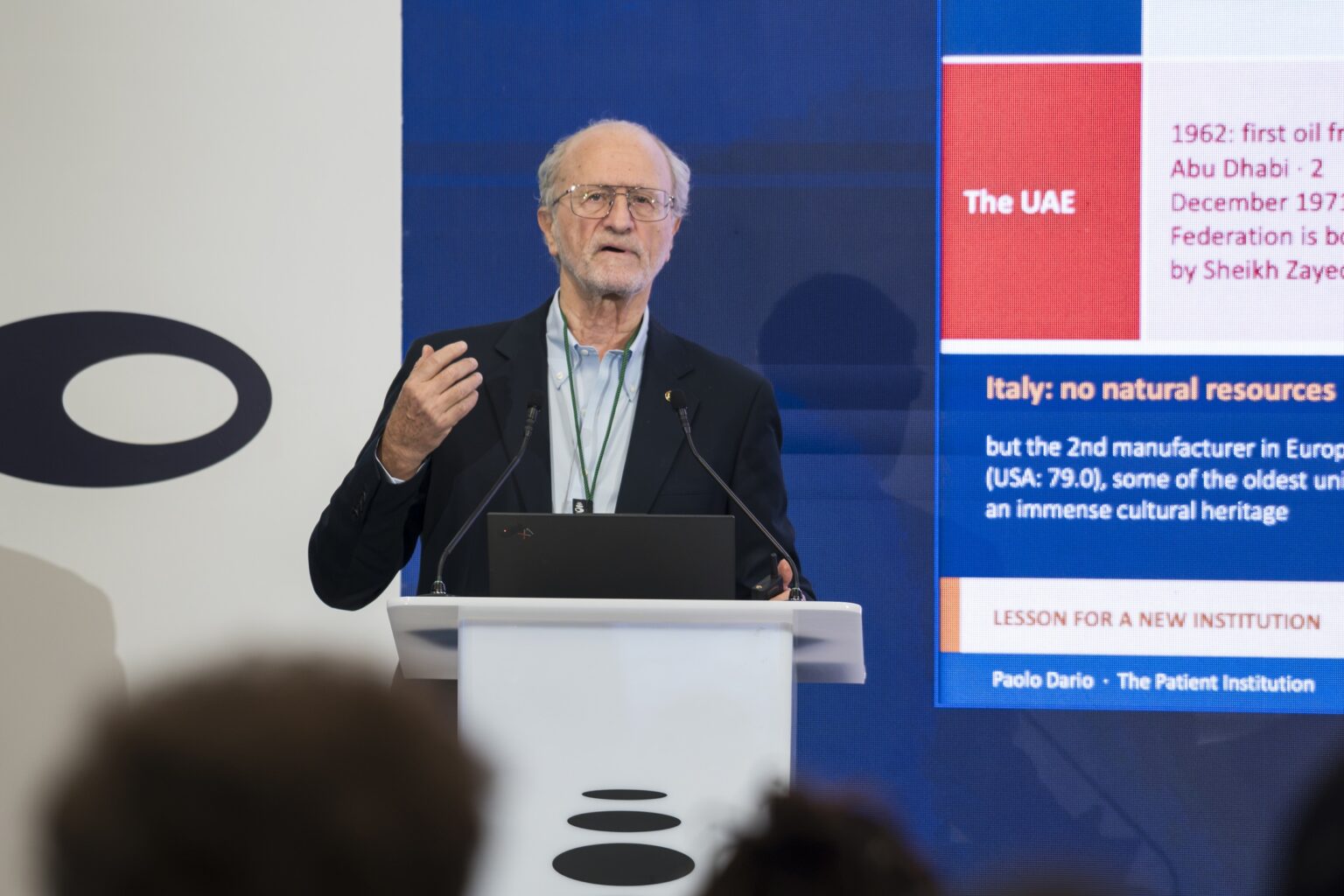
In a keynote address, Professor Paolo Dario, Chief Scientist at DFF, drew on more than 35 years of pioneering research and institution-building to explore what it takes to create scientific institutions capable of delivering lasting impact.
Tracing the evolution of The Bio Robotics Institute into an interdisciplinary research institution with more than 370 people, he highlighted the importance of nurturing talent, encouraging collaboration across disciplines and creating environments where ambitious ideas can develop over time.
Professor Dario introduced the concept of the ‘renaissance engineer’, advocating a shift from STEM to STEAM education to bring the arts and creative thinking into scientific and engineering disciplines.
He also discussed ‘cathedral thinking’, an approach to building institutions with a long-term vision that extends beyond individual careers and generations. He emphasised the importance of mentorship, inclusive research environments and collaboration between academia and industry in sustaining scientific progress.
The session ‘Same Machine, Opposite Questions: Art vs. Engineering in Robotic Form’ examined how artists, engineers and researchers approach the design of bio-inspired robots from different perspectives.
Panellists explored how creativity, technology and nature intersect in robotics, highlighting how biological systems can inspire machines capable of navigating complex environments and addressing limitations associated with conventional robotic technologies.
In another session, ‘Mind Meets Machine: The Future of Neural Technology’, experts explored advances in brain-computer interfaces and their potential to transform how humans interact with technology.
The discussion also addressed the ethical considerations surrounding neural technologies, emphasising the importance of responsible innovation as these capabilities continue to develop.
The session ‘Beyond Rashid: The Science and Technology Shaping the Future of Lunar Exploration’, led by Hamad Almarzooqi of the Space Robotics Department at Mohammed Bin Rashid Space Centre, examined the UAE’s lunar ambitions and the scientific and technological developments needed to support future missions.
Drawing on the Rashid Rover programme, Almarzooqi highlighted the significant gaps that remain in humanity’s understanding of the Moon, noting that despite decades of exploration, lunar rovers have travelled a combined distance of approximately 140 kilometres.
He emphasised the need for more frequent missions to expand scientific knowledge, supported by advanced, cost-effective and accessible space technologies that could help enable sustained human exploration of the lunar surface.
In the final session, ‘New Planetary Imaginaries: Design Fiction as a Research Method’, worldbuilder and filmmaker Liam Young explored how storytelling, visual imagination and speculative design can challenge conventional assumptions about the future.
Through his project Planet City, which imagines a world where 10 billion people live in a single city, Young presented an alternative vision of humanity’s relationship with the planet.
Featuring striking imagery of vast algae farms, expansive solar installations, mining landscapes and underwater environments, the presentation examined the intersection of climate change, artificial intelligence and space exploration.
Young highlighted the role of design fiction in exploring alternative possibilities, encouraging audiences to use imagination not simply to predict the future but to question existing systems and envision more hopeful outcomes.
Source: Emirates News Agency
